As Egypt accelerates its transition toward sustainable transportation, the shift to electric vehicles (EVs) has evolved from a niche trend into a national strategic priority. By 2025, Electric Car Charging Stations the landscape of EV charging infrastructure has undergone a massive transformation, driven by Egypt’s Vision 2030 and a robust synergy between the public and private sectors.
The State of Play: EV Infrastructure in 2025
By the first half of 2025, the number of public charging points in Egypt has surpassed 1,500 units, with government targets aiming for 3,000 points by the end of the year. The network is no longer confined to the metropolitan hubs of Cairo and Alexandria; it now stretches across the Sinai Peninsula, the Red Sea coast, and major highways connecting Upper Egypt.
Key Partnerships Driving Growth
The rapid expansion is the result of high-stakes collaborations that have integrated charging technology into the daily lives of Egyptians:
Infinity and Hassan Allam Utilities: In early 2025, this powerhouse partnership, in coordination with the Ministry of Petroleum, successfully integrated AC and DC fast chargers into Misr Petroleum and Gastec fuel stations. This move ensures that EV owners have access to “refueling” options on every major artery in the country.
ADNOC Distribution: The UAE-based giant has made a significant splash in the Egyptian market. By 2025, ADNOC has rolled out EV-ready service stations in New Cairo and the New Administrative Capital, with a regional goal of 40–50 premium locations that offer ultra-fast charging alongside luxury amenities.
Global Investment: A landmark $1.8 billion agreement with China has transitioned Egypt from a mere importer to a manufacturing hub. This partnership focuses on domestic EV assembly and the development of “Smart Grids” to ensure that the national electricity load remains stable as demand surges.
Technology and the User Experience
The “range anxiety” that once plagued early adopters has been largely mitigated by digital innovation. The Sha7en mobile app has become the gold standard for EV users in Egypt. In 2025, the app offers:
Real-time Availability: Users can see if a charger is occupied before arriving.
Route Planning: Intelligent AI-driven navigation that suggests charging stops based on the car’s battery level and topography.
Integrated Payments: A seamless digital wallet system that works across different network providers, eliminating the need for multiple subscriptions.
Challenges on the Horizon
Despite the momentum, the road to 100% electrification faces hurdles:
Geographic Disparity: While urban centers are well-served, rural villages and remote desert roads still require more intensive investment to ensure total coverage.
Initial Purchase Cost: Even with the “Green Incentive” (which provides subsidies of up to 10% on locally assembled EVs), the upfront cost of electric cars remains higher than internal combustion engines for the average consumer.
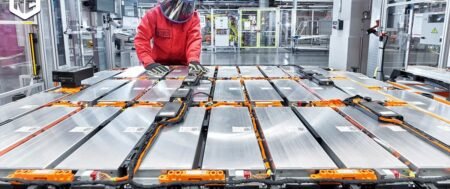
Public Awareness: A significant portion of the population remains skeptical about battery longevity in Egypt’s high summer temperatures. However, 2025 technology—including advanced liquid-cooling systems in batteries—has largely solved these technical issues.
The Future Outlook: 2025 and Beyond
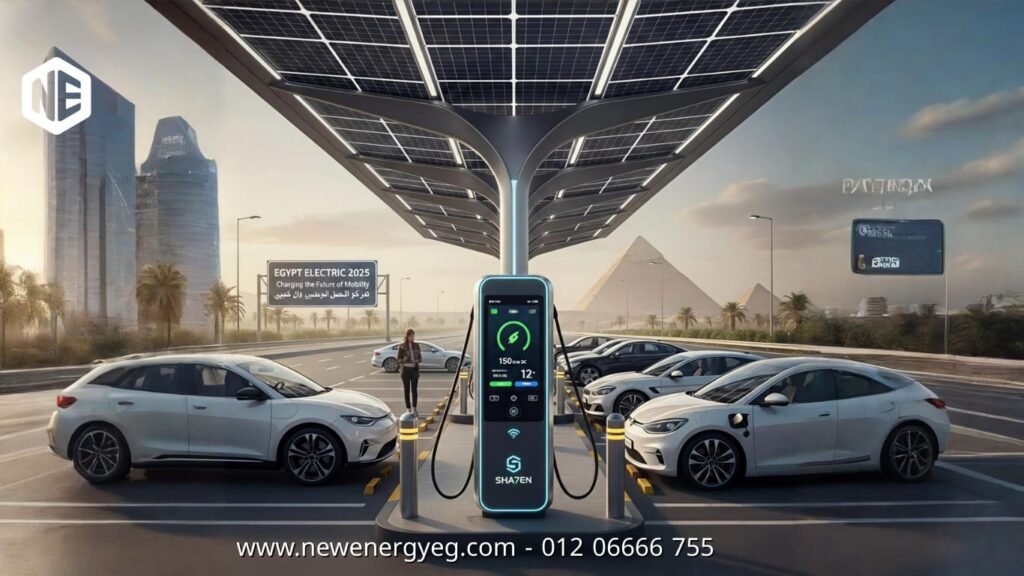
Egypt’s 2025 roadmap reflects a commitment to a “Circular Economy.” We are seeing the rise of Solar-Powered Charging Hubs, particularly in the New Administrative Capital, where vehicles are charged using 100% renewable energy. This ensures that the environmental benefit of the car isn’t offset by the carbon footprint of the power plant.
Economic Benefits
For the consumer, the math is becoming undeniable. In 2025, the cost of “fueling” an electric vehicle in Egypt is roughly 30% of the cost of traditional gasoline. Combined with lower maintenance costs (fewer moving parts), the total cost of ownership has made EVs the logical choice for ride-hailing fleets and daily commuters alike.
Conclusion
Egypt’s 2025 roadmap for electric vehicle charging reflects a bold vision for a cleaner, smarter future. Through strategic international partnerships and a rapidly maturing infrastructure, Egypt is firmly positioned as the leader of electric mobility in Africa and the Middle East.