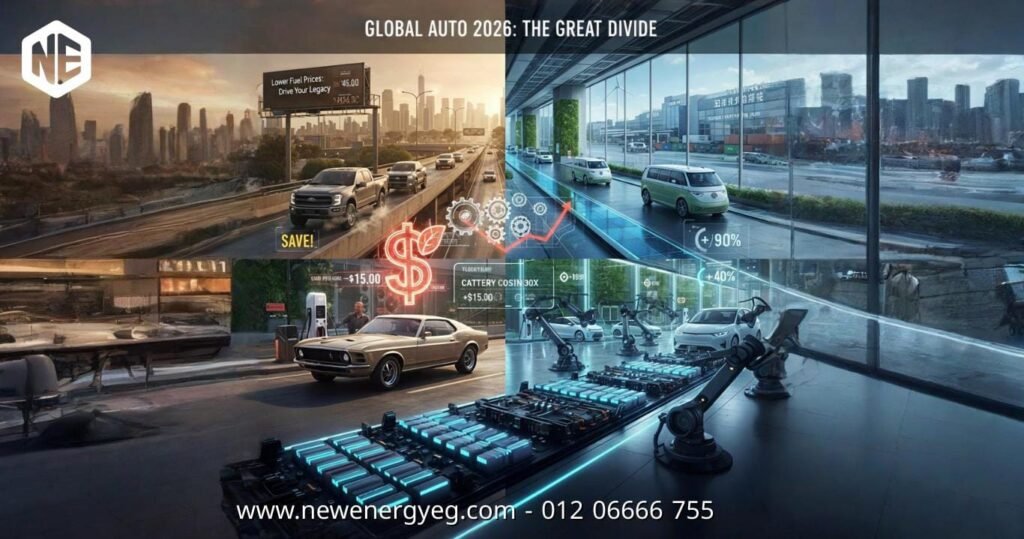
The global automotive landscape is hitting a decisive crossroads in 2026
reshaped by seismic economic shifts, volatile energy markets, and a tightening net of environmental mandates. As EV technology reaches its stride and fuel prices remain unpredictable, the industry is witnessing a fundamental transformation in how both internal combustion engine (ICE) and electric vehicles are produced and perceived. This analysis breaks down the economic catalysts defining the 2026 market and what they signal for the road ahead.
The Macroeconomic Landscape of 2026
By early 2026, the global economy has entered a period of cautious stabilization after years of post-pandemic volatility. However, this stability is deceptive; under the surface, aggressive inflation-control measures and a massive restructuring of global supply chains are redefining industrial priorities.
Key economic drivers currently dictating market moves include:
Fluctuations in global crude oil benchmarks.
The intensification of government taxation linked to carbon footprints.
Breakthroughs in battery chemistry and localized supply chain integration.
A pivoting consumer base prioritizing long-term value over brand loyalty.
The State of the Internal Combustion Engine (ICE)
Short-Term Relief vs. Long-Term Regulation
While Brent crude has dipped to an average of $60 per barrel in early 2026, leading to a welcome reprieve at the pump for many Americans, this lower fuel cost is acting as a double-edged sword. On one hand, it has encouraged consumers to extend the lifespans of their current gas-powered vehicles, temporarily slowing the mass migration to EVs.
However, this “fuel break” is being offset by a wave of aggressive carbon taxes and tighter emissions standards. Governments are no longer just incentivizing green tech; they are actively making it more expensive to operate high-emission vehicles through regulatory pressure.
Shifting Sales Dynamics
The data reveals a stark divide in the ICE market: demand for entry-level gas sedans is cratering, while the premium segment for gas-powered SUVs and large trucks remains surprisingly resilient. Nevertheless, even these stalwarts are feeling the heat as hybrid alternatives begin to offer comparable power with significantly better “total cost of ownership” (TCO) metrics.
The Economic Ascency of Electric Vehicles (EVs)
The Path to Price Parity
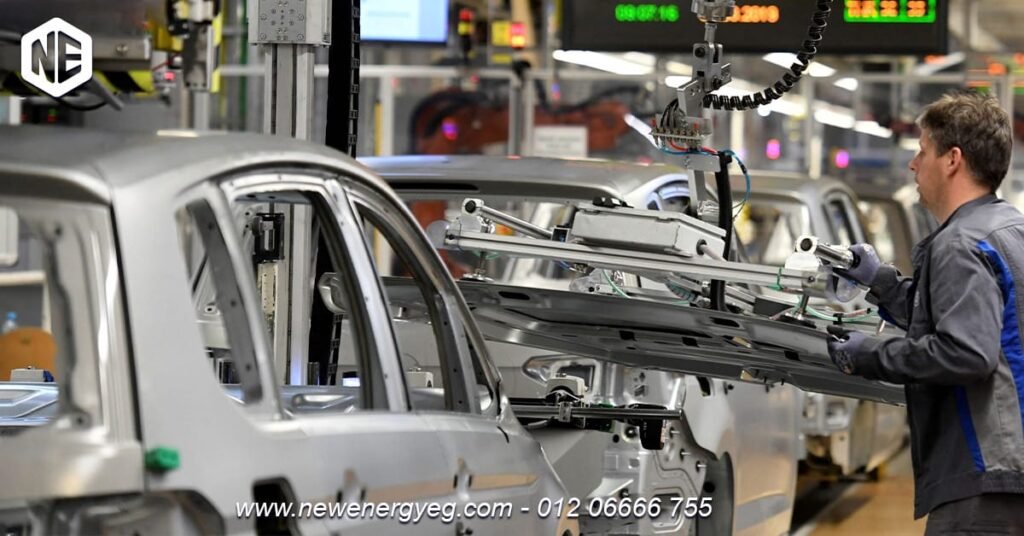
2026 marks a historic milestone in the EV sector: the realization of true economies of scale. Thanks to streamlined supply chains—largely anchored by manufacturing hubs in China and Indonesia—battery production costs have plummeted. This reduction has finally brought many EV models within striking distance of price parity with their gasoline counterparts, removing the “green premium” that once deterred the middle-class buyer.
Market Maturity and Infrastructure
The EV market has graduated from its “early adopter” experimental phase into full-scale maturity. Manufacturers have pivoted their strategy from aggressive, vanity-driven expansion to a focus on utility and infrastructure. The conversation in 2026 has shifted from “How fast is it?” to “How fast does it charge?” and “How far can it go on a single charge?” This pragmatic approach is broadening the EV’s appeal to a much more diverse consumer base.
The Bottom Line: A Divided Road Ahead
The 2026 automotive market is defined by a dual-track reality. In the immediate future, gasoline vehicles will maintain a presence, buoyed by lower fuel prices and a legacy infrastructure that is hard to replace overnight. Yet, the momentum is undeniably electric. Driven by a combination of falling production costs, relentless regulatory pressure, and technological maturity, the industry is no longer just “transitioning”—it is being reborn.