Home charging has quickly become the preferred way for electric vehicle (EV) owners to power their cars. It offers unmatched convenience, lower running costs, and better battery care compared with relying solely on public chargers.
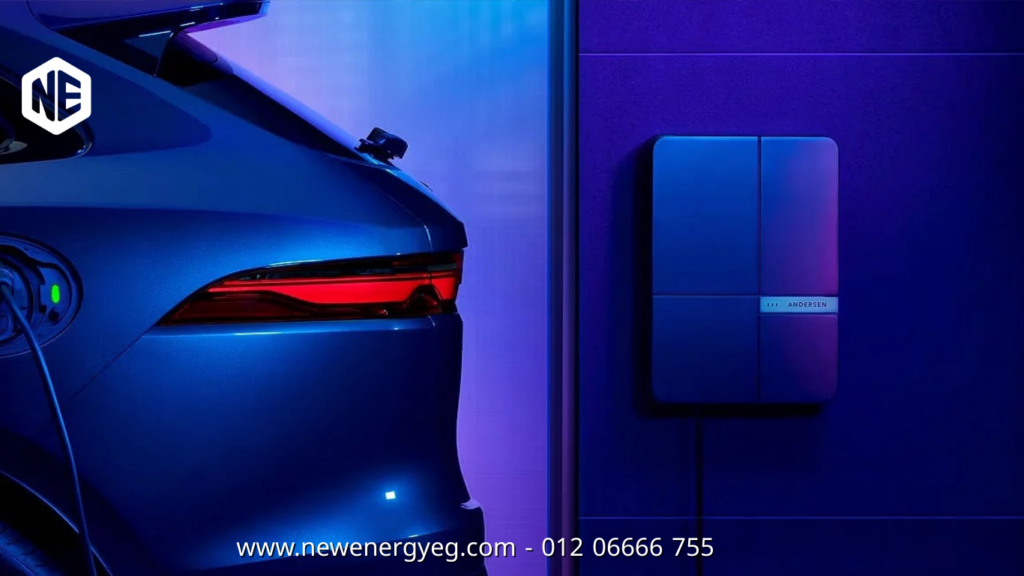
Whether you’re new to EV ownership or planning to install a home charger, understanding the main components and best practices will help you get the most efficient and reliable setup.
Level 1 Charging (Slow)
Level 1 charging is the simplest form of home charging. It uses a standard 3-pin household outlet (120V in many markets) and requires no special installation.
This method typically adds around 3–5 miles of driving range per hour, making it suitable for drivers with short daily commutes or as a backup charging option.
However, because of its slow speed, Level 1 charging may not be practical for drivers who need to replenish large amounts of range overnight.
Level 2 Charging (Fast)
Level 2 charging is the most popular home solution for EV owners who want faster and more reliable charging.
It requires a dedicated 240V circuit, similar to the electrical supply used for heavy household appliances like clothes dryers. These chargers typically deliver 7kW to 22kW of power, adding roughly 15–30+ miles of range per hour.
With a properly installed Level 2 wall box, most electric vehicles can achieve a full charge overnight, making it the recommended choice for daily use.
Smart Chargers
Smart home chargers represent the next step in EV charging technology. These Wi-Fi-enabled units provide advanced control and monitoring features through mobile apps.
Key advantages include:
Scheduling charging during off-peak, cheaper electricity hours
Monitoring real-time energy consumption
Remote start/stop functionality
Built-in safety protections
For many homeowners, a smart charger offers the best balance between efficiency, cost control, and convenience.
Installation Requirements
Level 2 charging stations should always be installed by a certified electrician or approved charging provider. Professional installation ensures the system operates safely and complies with electrical standards.
Home chargers can typically be mounted:
Inside a garage
On an exterior wall
Near a driveway parking space
A qualified installer will usually perform testing and safety checks as part of the installation process.
Why Home Charging Is the Best Option
Charging at home is widely considered the most convenient and cost-effective way to run an electric vehicle. Most drivers rely on overnight charging using a Level 2 wall unit for fast daily replenishment, while Level 1 charging remains useful for occasional or low-demand situations.
Dedicated 7kW–22kW home chargers are strongly recommended because they provide:
Faster charging speeds
Improved electrical safety
Smart energy management featuresReliable overnight full chargesIn many regions, charging during off-peak hours can significantly reduce running costs. Benefits of Charging Your EV at HomeCost SavingsOvernight charging allows drivers to take advantage of lower electricity tariffs. In some markets, running costs can drop to the equivalent of around 2p per mile, making EV ownership even more economical.
Convenience
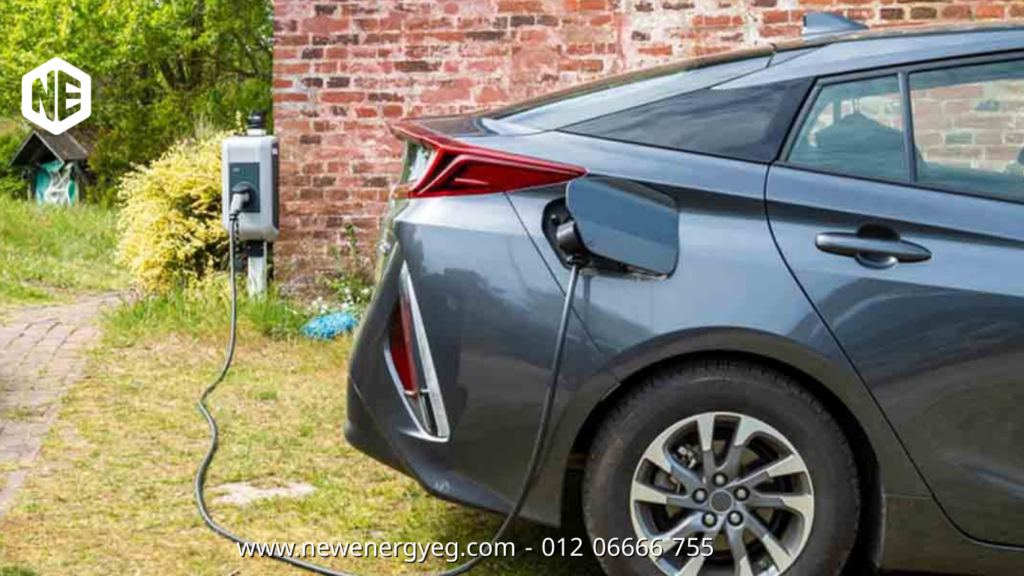
Home charging eliminates frequent trips to public charging stations. Simply plug in when you arrive home and wake up to a fully charged battery every morning.
Better Battery Health
Frequent, moderate-speed AC charging at home is generally healthier for long-term battery life compared with heavy reliance on DC fast charging.
How Often Should You Charge at Home?
You can charge your electric vehicle as often as needed. In practice, EV charging can be treated much like charging a smartphone.Many drivers choose to plug in every time they park at home out of habit. This approach provides maximum flexibility in case an unexpected trip comes up.
That said, daily charging is not mandatory for most users, especially if the vehicle still has sufficient range for upcoming journeys.
The Advantages of Overnight Charging
Charging overnight offers multiple benefits:Access to cheaper nighttime electricity ratesA full battery ready every morningReduced strain on daytime home energy usage
Modern dedicated home chargers automatically stop charging once the battery reaches full capacity, so there is no need to unplug immediately.
Using Public and Workplace Charging
While home charging covers the majority of daily needs, many EV drivers also take advantage of workplace or public charging points to top up when convenient. This hybrid approach provides additional flexibility for longer journeys.
Compatibility Tip: Type 1 vs Type 2
Electric vehicles typically come with either a Type 1 or Type 2 connector. It is essential to choose a home charger that matches your vehicle’s charging standard.
For maximum flexibility, many users prefer an untethered home charger, which allows connection with different cable types and supports multiple vehicles if needed.
Home EV charging remains the smartest and most practical solution for everyday electric driving. With a properly installed Level 2 smart charger, drivers can enjoy fast overnight charging, lower energy costs, and improved battery longevity.
As EV adoption continues to grow, investing in a reliable home charging setup is becoming less of a luxury—and more of a necessity.
https://www.facebook.com/share/1831bAyhHE/Type 2 Charging Cable – 7kW 32A Single phas
