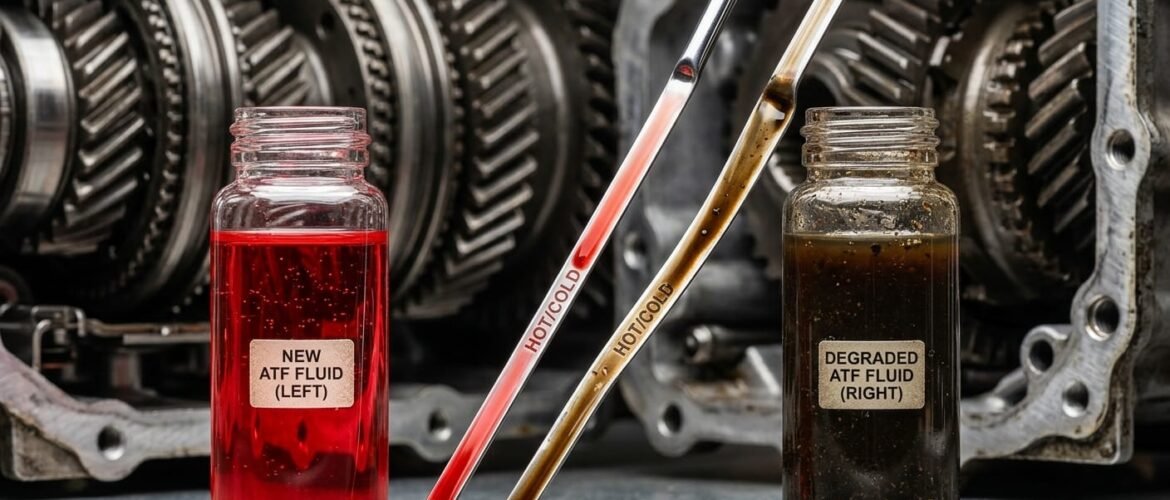
Do Electric Cars Need Transmission Fluid Changes? 5 Key Facts + When to Service It
Electric vehicles have redefined automotive maintenance. With fewer moving parts and no traditional engine, many drivers assume servicing is minimal—or even negligible.
However, one component still demands attention: the transmission system. Even in its simplified form, it relies on proper lubrication to maintain efficiency and longevity.
In this guide, we’ll explore whether electric cars require transmission fluid changes, when to service it, and the warning signs you shouldn’t ignore.
How Does Transmission Work in Electric Cars?
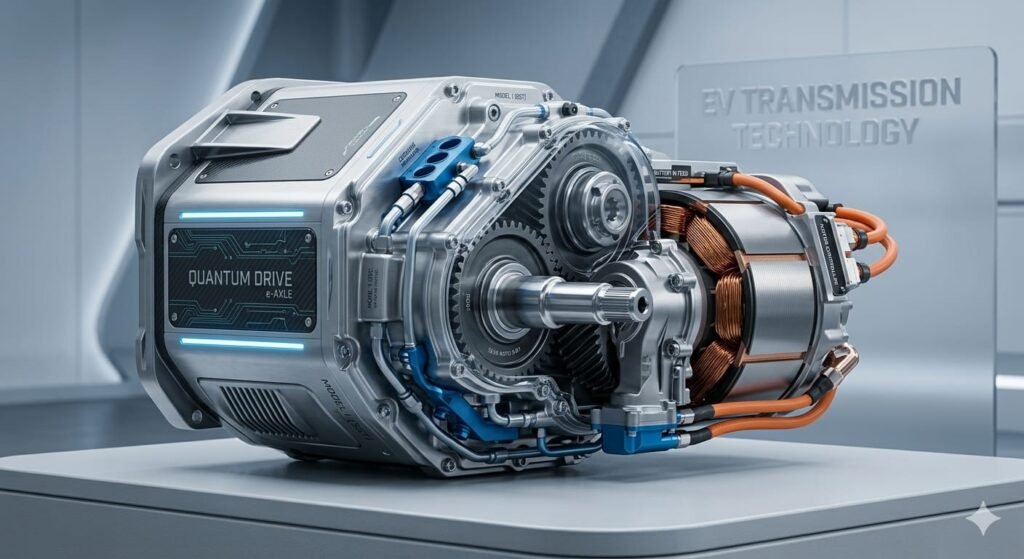
Most electric vehicles use a single-speed transmission system, designed to deliver power directly from the motor to the wheels without multiple gear shifts.
Despite its simplicity, the system still contains precision-engineered components that depend on lubrication to:
Minimize friction between moving parts
Maintain efficient power transfer
Control operating temperatures
📌 Learn more about how electric vehicles function:
https://www.energy.gov/eere/electricvehicles/how-do-electric-cars-work
Do Electric Cars Need Transmission Fluid Changes?
Yes—but far less frequently than conventional vehicles.
Unlike internal combustion engines, electric drivetrains generate less heat and mechanical stress. However, transmission fluid still degrades over time due to:
Thermal exposure
Microscopic wear particles
Gradual chemical breakdown
Ignoring it entirely can lead to long-term wear and reduced drivetrain efficiency.
When Should Transmission Fluid Be Changed?
There’s no universal interval, but general recommendations suggest:
- Normal Driving Conditions
Every 80,000 to 120,000 km
- Harsh Driving Conditions
Frequent stop-and-go traffic
High ambient temperatures
Intensive or high-load usage
In such cases, shorter service intervals are advisable.
📌 Always refer to manufacturer-specific guidelines:
https://www.tesla.com/support/vehicle-maintenance
Signs Your Transmission System Needs Attention
While less common in EVs, these symptoms should not be overlooked:
Unusual noises from the drivetrain
Vibrations during acceleration
Reduced smoothness in power delivery
Fluid leaks beneath the vehicle
📌 Explore general vehicle maintenance insights:
https://www.consumerreports.org/cars/car-maintenance/
What Happens If You Ignore It?
In electric vehicles, issues develop gradually—but the impact can be significant:
Accelerated wear of internal components
Reduced energy efficiency
Higher long-term repair costs
Decline in overall vehicle performance
Best Practices for Maintaining Transmission Health
To ensure optimal performance over time:
Follow the manufacturer’s maintenance schedule.
Use only approved transmission fluids.
Conduct periodic inspections.
Monitor any changes in driving behavior.
Do Electric Vehicles Use Different Types of Transmission Fluid?
Yes, the fluids used in electric vehicle drivetrains are quite different from those in conventional cars.
They’re engineered to handle unique conditions, such as managing heat from electric components and maintaining efficiency with minimal energy loss.
In some cases, manufacturers like Tesla even use multi-functional fluids that combine lubrication and cooling, making it essential to use the exact specification recommended by the manufacturer.
Do All Electric Cars Require Fluid Changes?
Not always in the traditional sense.
Some electric vehicles are built with sealed transmission systems, where the fluid is designed to last for a very long time—sometimes the lifetime of the vehicle.
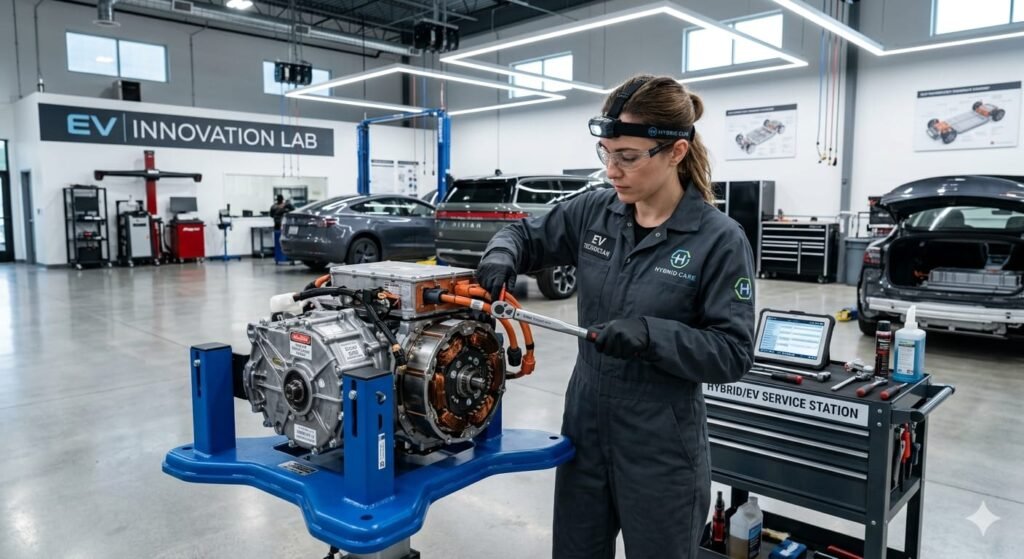
However, that doesn’t mean it should be ignored. Periodic inspections are still important, and replacement may be required if issues arise or if the manufacturer specifies it. Brands like Nissan and Hyundai may have different maintenance guidelines depending on the model.
EV vs Hybrid: What’s the Difference in Fluid Maintenance?
Hybrid vehicles still rely partly on internal combustion engines, which means their transmission systems operate under higher temperatures and stress.
As a result, they typically require more frequent fluid changes.
Fully electric vehicles, on the other hand, run in cleaner conditions with fewer moving parts, reducing the need for regular maintenance and lowering long-term service costs.
Can You Check the Fluid Yourself?
In most modern EVs, there’s no traditional dipstick to check transmission fluid levels.
Instead, diagnostics are usually handled through specialized service tools or by authorized service centers.
Attempting to check or replace the fluid without proper knowledge can lead to complications, especially given how integrated and sensitive EV systems are.
How Driving Habits Affect Fluid Lifespan
Driving style still plays a role, even in electric vehicles.
Frequent hard acceleration can put extra stress on drivetrain components, while smooth and consistent driving helps maintain system efficiency.
Carrying heavy loads or driving in demanding conditions can also impact how well the fluid performs over time. In short, a balanced driving style doesn’t just protect the battery—it helps extend the life of the entire drivetrain system.